What to Do When Sunscreen Irritates Your Skin: A Calm, Step-by-Step Relief Checklist
Stinging, burning, redness, bumps, or tightness after applying sunscreen can feel confusing—especially when sun protection is non-negotiable. The goal is to calm the flare, figure out whether it’s irritation, allergy, or a compromised barrier, and restart SPF in a way that protects skin without triggering another reaction.
First: Stop the Spiral (What to Do in the Next 10 Minutes)
- Rinse with cool to lukewarm water. Skip hot water, washcloths, and any scrubbing.
- If you need a cleanser, use a gentle, fragrance-free option; otherwise just rinse and pat dry.
- Apply a simple barrier-repair moisturizer (no acids, no retinoids, no exfoliating enzymes).
- If skin is actively burning, use a cool compress for 5–10 minutes (clean cloth; no ice directly on skin).
- Pause potential triggers for 48–72 hours: AHA/BHA, retinoids, vitamin C (especially low-pH), benzoyl peroxide, scrubs, peels, and fragranced products.
- Avoid “counteracting” with strong actives. Recovery usually speeds up when the routine gets boring.
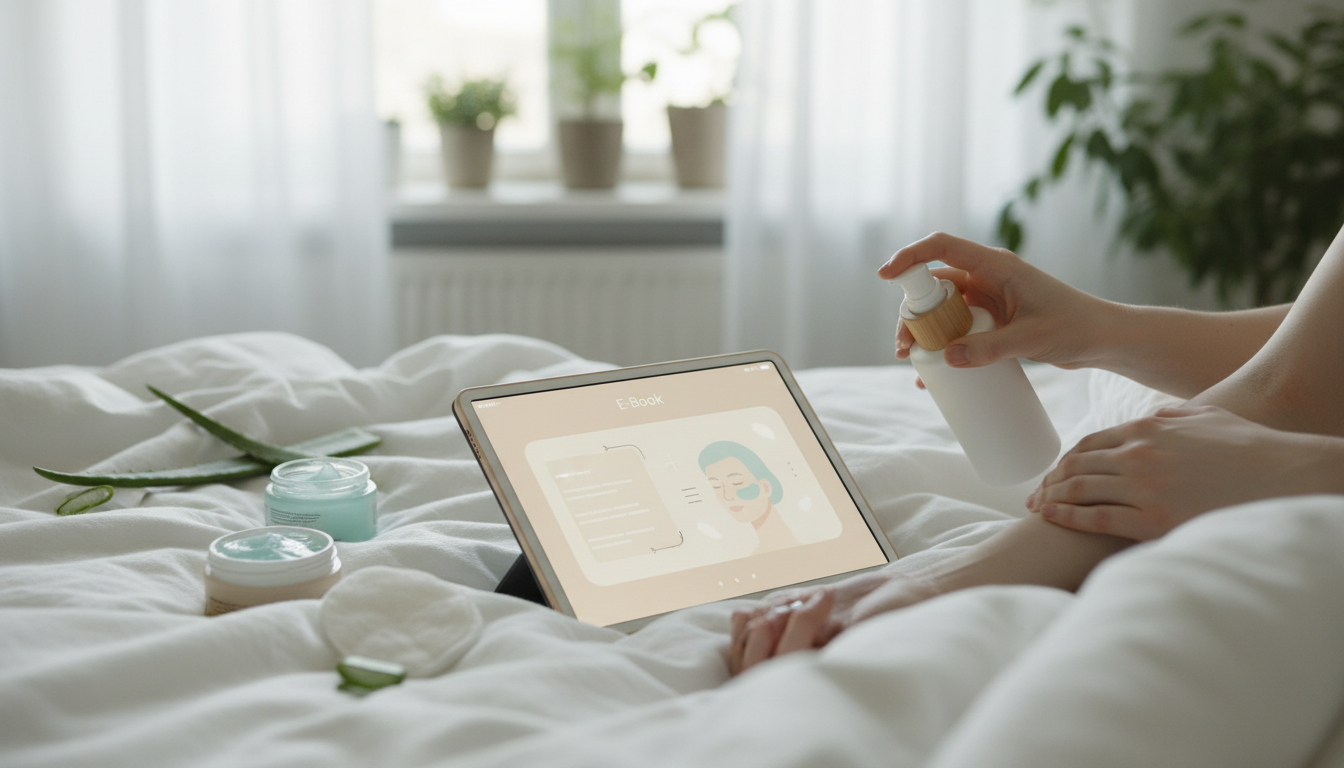
If you want a simple plan you can keep on your phone (and reuse every time), the Checklist: What to Do When SPF Irritates Your Skin (instant digital download) organizes the stop/soothe/retry steps into a quick, repeatable flow.
Quick Self-Check: Irritation vs. Allergy vs. Breakouts
- Likely irritation: stinging/burning right away, tightness, or redness that improves after removal. Often linked to alcohol, fragrance, low-pH formulas, or a weakened skin barrier.
- Possible allergy (contact dermatitis): itching, swelling, rash, hives, or symptoms that worsen over hours to days. Common triggers include fragrance mixes, preservatives, or certain UV filters.
- Breakout-like reaction: small bumps, clogged pores, or worsening acne over days. This can happen with heavy occlusives, certain emollients, or incomplete removal of water-resistant SPF.
- Get urgent help: significant swelling, facial hives, eye/lip swelling, wheezing, or breathing issues.
Clues that help narrow down the reaction
| Clue |
More consistent with |
What to do next |
| Immediate sting/burn on application |
Irritation / barrier disruption |
Rinse, simplify routine, reintroduce SPF gently after recovery |
| Itchy rash that spreads or persists |
Allergy (contact dermatitis) |
Stop product, consider dermatologist/allergy evaluation, avoid re-testing on full face |
| Bumps/whiteheads over several days |
Clogging/comedogenic mismatch |
Switch vehicle/texture, double-cleanse if water-resistant, patch test new formula |
The 3–7 Day Recovery Routine (Minimal but Effective)
Think of this as a short “reset” to let the barrier rebuild. Keep everything consistent and low-stimulation.
- Cleanse: once daily at night with a gentle, non-foaming or low-foam cleanser. In the morning, rinse with water if tolerated.
- Moisturize: choose a fragrance-free cream or lotion with barrier-supporting ingredients like ceramides, glycerin, panthenol, and squalane.
- Protect: if sunscreen is currently intolerable, use shade, hats, sunglasses, and avoid peak sun until skin calms. For sunscreen basics and safe-use guidance, the American Academy of Dermatology Association’s sunscreen FAQs are a solid reference.
- Avoid: new products, essential oils, exfoliation, masks, and “tingly” soothing products (peppermint, eucalyptus, menthol).
- Makeup: keep it minimal; remove gently; skip long-wear formulas if removal requires rubbing.
Practical tip: store minis, cotton pads, and patch-test samples in one place so you’re not digging through products while skin feels reactive. A small organizer like the Black Floral Cosmetic Bag for storing minis and patch-test samples makes it easier to stay consistent during recovery.
Common Sunscreen Triggers (And What to Try Instead)
- Fragrance and essential oils: frequent culprits for reactive skin. Look for “fragrance-free” (not just “unscented”).
- Denatured alcohol or high alcohol content: can sting especially when the barrier is compromised; consider alcohol-free or lower-alcohol formulas.
- Certain UV filters: some people react to specific chemical filters; switching to mineral (zinc oxide/titanium dioxide) can help, or trying a different filter set can be enough.
- Preservatives and botanicals: “fewer extras” often works best during recovery; shorter ingredient lists are easier to troubleshoot.
- Water-resistant, heavy textures: can trap sweat/oil and worsen bumps; try a lighter lotion base after your barrier feels normal again.
If you suspect contact dermatitis (especially itch + rash that lasts), the National Eczema Association’s overview of contact dermatitis explains why reactions can show up hours to days later and why identifying triggers matters.
How to Patch Test Sunscreen Without Triggering a Full-Face Flare
When to Get Medical Help
For general sunscreen safety and usage basics, the U.S. FDA sunscreen guidance is another reliable source.
A Printable Relief Checklist for the Next Flare (Instant Download)
- Keep a simple, repeatable plan on hand: what to stop, what to use, and how to reintroduce SPF step-by-step.
- Track reaction timing, suspected triggers, recovery days, and patch-test results—especially helpful if symptoms repeat.
- For a structured reset you can reuse, grab the Sensitive Skin Relief Guide (Instant Digital Download) and keep it with your skincare notes.
FAQ
Why does sunscreen suddenly start stinging when it used to be fine?
A disrupted skin barrier is a common reason—often from over-exfoliation, retinoids, harsh cleansing, weather shifts, or a recent procedure. Pull back to a simple moisturizer-focused routine for a few days, then reintroduce sunscreen slowly (ideally over moisturizer).
Should mineral sunscreen always be the go-to for sensitive skin?
Mineral sunscreen can feel gentler for some people, but it’s not universal. The full formula matters (fragrance, alcohol, texture), and some mineral formulas can feel drying unless layered over a comfortable moisturizer.
How long should sunscreen irritation last after washing it off?
Mild irritation can settle within hours after removal, while barrier disruption may take several days to fully calm down. If itching, rash, or spreading redness persists or worsens, it can signal allergy and should be evaluated by a clinician.
Recommended for you












Leave a comment