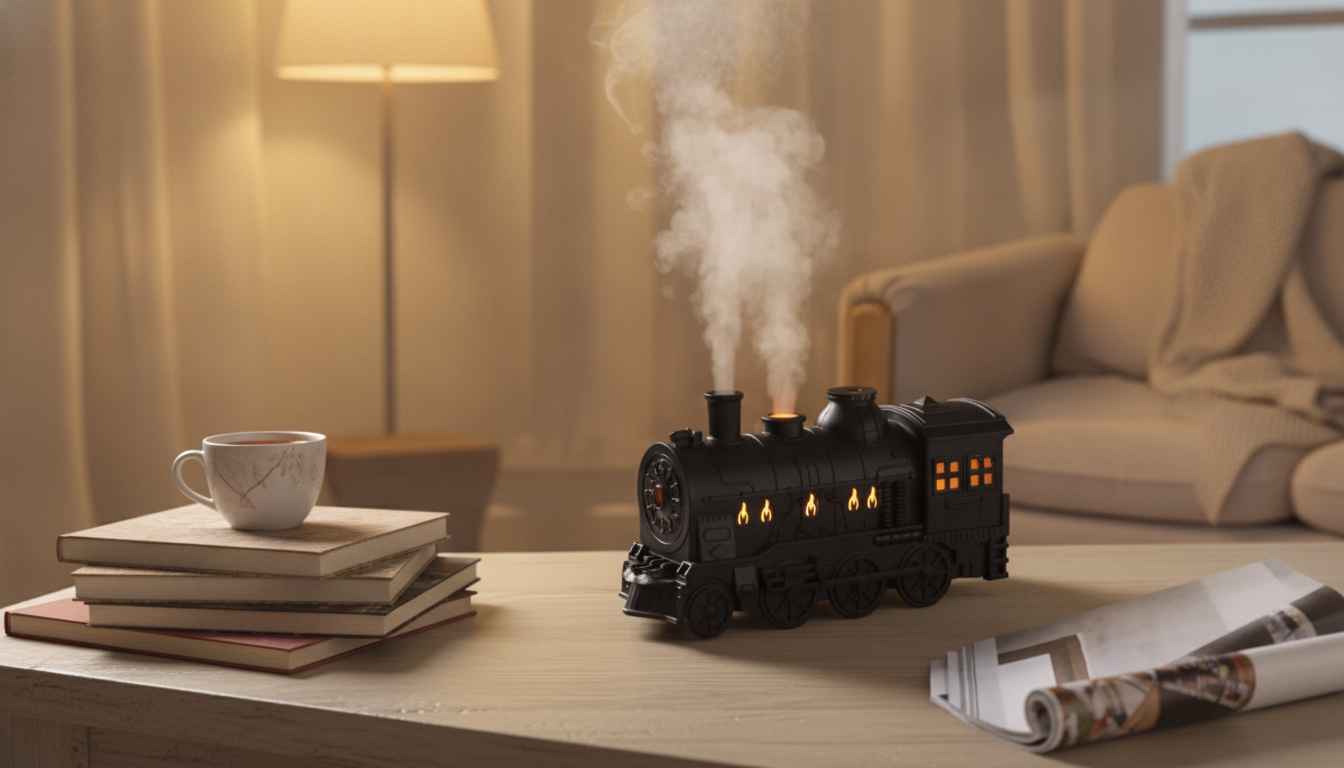
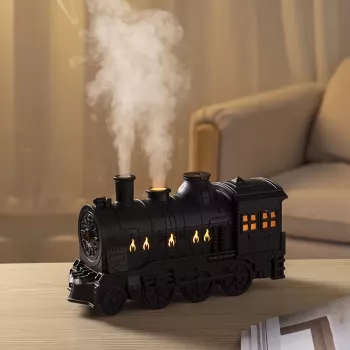
A train-shaped essential oil diffuser blends gentle fragrance diffusion with a playful, decor-forward silhouette that feels right at home on a nightstand, bookshelf, or work desk. It’s the kind of small detail that can make a room feel more intentional—especially when paired with a simple routine: water, a few drops of oil, and a comfortable run time that suits your day.
This guide breaks down what makes a train-style diffuser unique, how to use it without overpowering your space, which oils tend to fit a cozy setup, and how to keep mist output steady with basic cleaning. For a themed, giftable option, the Train Aromatherapy Essential Oil Diffuser adds that “mini steam locomotive” charm while supporting everyday scent habits.
Most diffusers are designed to disappear into the background. A train diffuser is the opposite: it’s decor-first, meant to be noticed.
A train diffuser typically performs best as a steady, light fragrance option for small to medium rooms, depending on airflow and layout. Start with a stable location (level surface, away from electronics and fabrics), then dial in scent strength by adjusting oil drops and run time.
| Feature | Why it matters | What to check before buying/using |
|---|---|---|
| Stable base | Helps prevent spills and uneven mist | Place on a flat surface; keep away from edges |
| Mist output | Controls how strongly fragrance fills the space | Start low; increase only if needed |
| Run time options | Supports short sessions or longer ambient use | Match to bedtime/desk routine |
| Auto shutoff | Adds safety when water runs low | Confirm behavior after first use |
| Cleaning access | Prevents residue and stale smells | Wide opening or easy-to-reach tank surfaces |
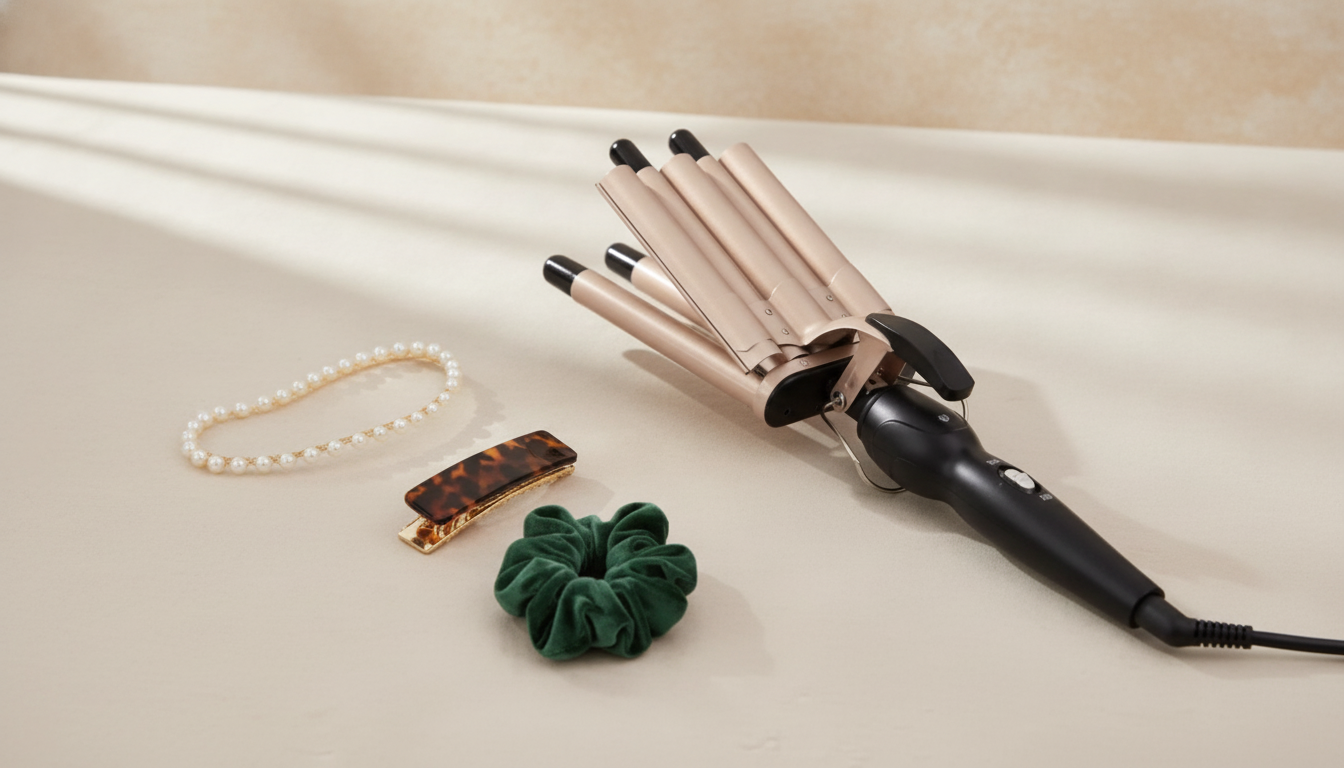
As a small decor upgrade, a train diffuser can also complement other “daily ritual” items stored nearby—like a travel-ready Black Floral Cosmetic Bag for self-care essentials or a styling tool that stays within reach on a vanity, such as the 5 Barrel Ceramic Hair Waver Curling Iron – Dual Voltage, Anti-Frizz Styler.
Comfortable diffusion is all about restraint and consistency. The goal is a pleasant background note—not a cloud that takes over the room.
For general aromatherapy guidance and realistic expectations, the Mayo Clinic’s overview of aromatherapy is a helpful starting point.
Oil choice is where the experience becomes personal. Consider your space, your schedule, and who else shares the room (including pets).
For safety best practices (including dilution and general handling), review the National Association for Holistic Aromatherapy (NAHA) essential oil safety guidance. If pets are in the home, consult reputable resources like the ASPCA’s information on toxic and non-toxic plants and speak with a veterinarian if you’re unsure about a specific oil.
Even a small diffuser performs better when it’s kept free of mineral buildup and leftover oil residue. A quick routine also helps prevent “stale” scent notes that can develop when water sits too long.
Start with 2–4 drops in a small diffuser and adjust next time based on room size, oil strength, and personal sensitivity. If the scent feels too strong, use fewer drops or run a shorter cycle rather than pushing through discomfort.
It can if the unit has an auto shutoff and is placed safely, but many people find intermittent or timed sessions more comfortable. If you notice irritation or sleep disruption, shorten the run time and increase ventilation.
Empty and rinse after each use, then do a deeper clean about once a week. Clean more frequently if you use hard water or heavier oils, or if the mist output starts to weaken.







Leave a comment